











Hope you enjoy reading this blog post.
If you want the Moris Media Team to help you get more traffic, just book a call.
Wednesday, 24 June 2026

Written by :
Mehak Veru
PR & Business Executive
August 12th, 2023
 1033
1033
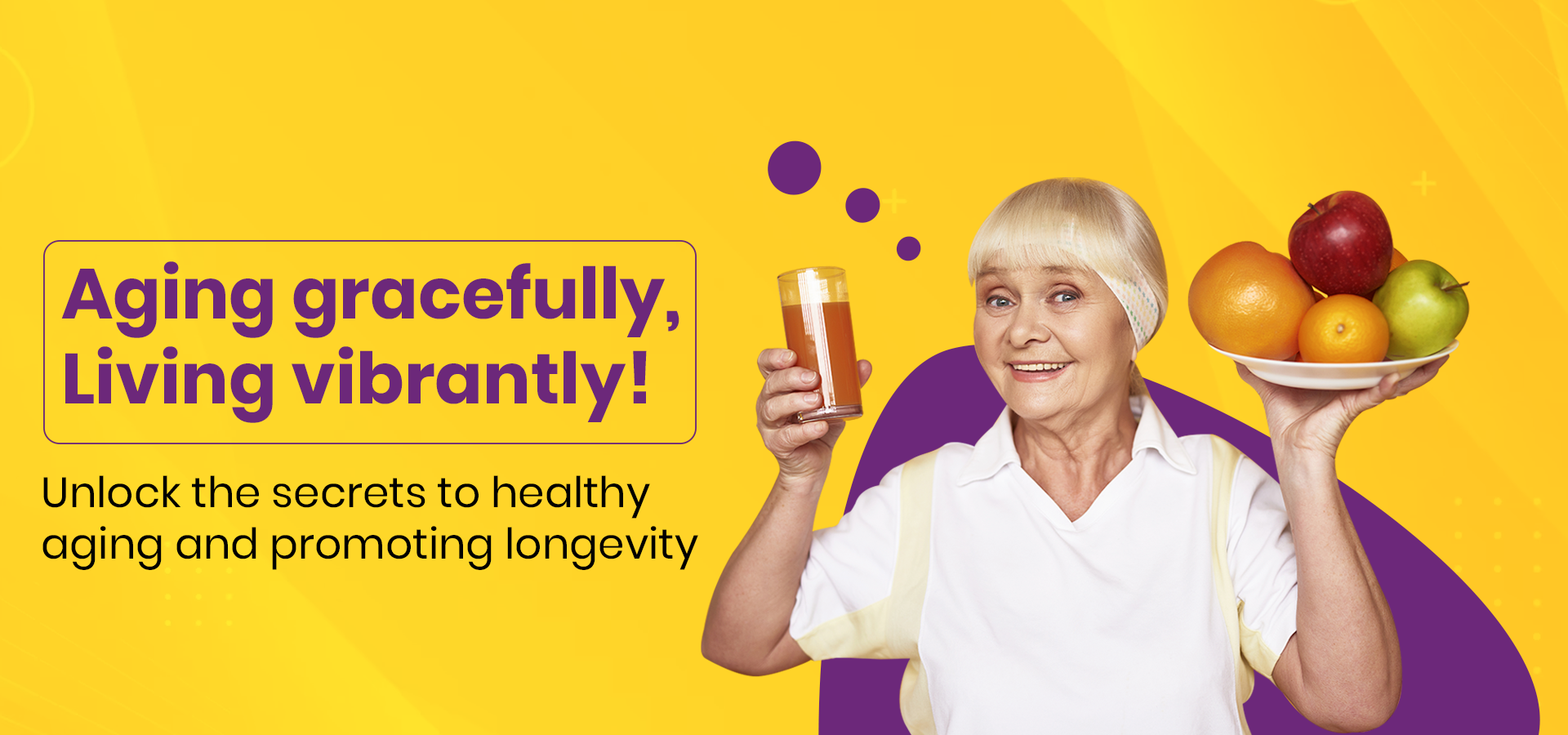
Every person experiences the unavoidable and natural process of aging. However, several variables, such as lifestyle decisions, access to healthcare, and social support, may have a significant impact on how people age and their general quality of life in their later years. While scientists are still actively investigating methods to halt or stop the physical health deficits that come with aging, they have already found several techniques to increase the likelihood that one will live a long and healthy life. Maintaining physical fitness is being physically active, eating well, getting enough sleep, avoiding alcohol, and taking charge of your health care. To encourage healthy aging, little adjustments in any of these areas can make a big difference. The leading digital marketing firm in India, Moris Media, examines the important factors.
Traditionally, the goal of aging has frequently been to live longer. Aging is a natural process. A person experiences physical, emotional, and cognitive changes as they pass through new age milestones, decades, and life seasons each year. When considering aging, there is a wealth of evidence that a healthy lifestyle may enhance one's health and, as a result, their quality of life throughout their lifetime. The perspective is changed by healthy aging from just extending life to improving the quality of those extra years.
Lifestyle Choices: Healthy aging is greatly influenced by an individual's decisions about their food, level of exercise, and vices like smoking and alcohol usage. Physical activity, whether you love it or detest it, is essential for good aging. According to scientific research, persons who regularly exercise not only live longer but also may live better, meaning they experience more years of pain- and disability-free living. Maintaining physical and mental well-being may be greatly helped by eating a nutritious, well-balanced diet, exercising frequently, and abstaining from dangerous drugs.
As one gets older, having access to quality healthcare services becomes more and more important. Scientists have recently created and enhanced laboratory, imaging, and associated biological tests that assist in identifying and keeping track of symptoms of age-related illness. Years before you begin to notice any signs of an illness, harmful changes in the cells and molecules of your body may take place. Medical personnel may diagnose and treat diseases earlier with the use of tests that spot these changes, leading to better health outcomes. A healthy aging process includes regular medical checkups, early diagnosis and treatment of health issues, and the use of the proper drugs.
Healthy aging is greatly influenced by an individual's decisions about their food, level of exercise, and vices like smoking and alcohol usage. Physical activity, whether you love it or detest it, is essential for good aging. According to scientific research, persons who regularly exercise not only live longer but also may live better, meaning they experience more years of pain- and disability-free living. Maintaining physical and mental well-being may be greatly helped by eating a nutritious, well-balanced diet, exercising frequently, and abstaining from dangerous drugs.
Maintaining social connections is essential for good aging. Maintaining social relationships can be challenging as individuals age due to factors including hearing and vision loss, memory loss, disability, problems getting about, and the loss of relatives and friends. Because of this, older persons are more likely to experience social isolation or loneliness. Despite their similar sounds, loneliness, and social isolation are not the same. Social isolation, on the other hand, refers to a lack of social interactions and having few individuals to frequently communicate with. Loneliness is the uncomfortable sense of being alone or isolated. Feelings of isolation and loneliness may be harmful to well-being and can be avoided by being a member of a community, keeping friendships, and taking part in meaningful activities.
Healthy aging involves not just lengthening years but also prolonging life. Adopting a comprehensive strategy that takes into account one's physical, mental, and emotional well-being can result in a longer and more pleasant later life. Healthy food and regular exercise have long been linked to improvements in a person's overall health and well-being. However, research demonstrates that the age-old adage might refer to someone enjoying a healthier life during the period that is given as opposed to having a longer life. Aging may be a process characterized by vitality, purpose, and joy if individuals and society cooperate to prioritize healthy lives, develop supportive communities, and fund healthcare and research. The accomplishment of a long life is longevity. We can like to live a long life so that we can spend a lot of time traveling and spending quality time with our loved ones. But if one is afflicted by illness or infirmity, surviving to a ripe old age doesn't always guarantee that they will do so in good health.
Liked reading this blog? Spread the word!




The Power of Team Calendar: Boosting Efficiency and Collaboration with moCal
Read More
Mastering Business Time Management with moCal's Online Calendar For Business
Read More
Unlocking Seamless Collaboration with moCal's Online Shared Calendar
Read More
Unlocking the Power of 7-in-1 moCal: Redefining Efficiency in Modern Business
Read More
Elevating Personal Branding: The Moris Digital Doctors Prescription
Read More


If you want the Moris Media Team to help you get more traffic, just book a call.




We hate spam as much as you do