











Hope you enjoy reading this blog post.
If you want the Moris Media Team to help you get more traffic, just book a call.
Saturday, 27 June 2026

Written by :
Mehak Veru
PR & Business Executive
May 24th, 2023
 1011
1011
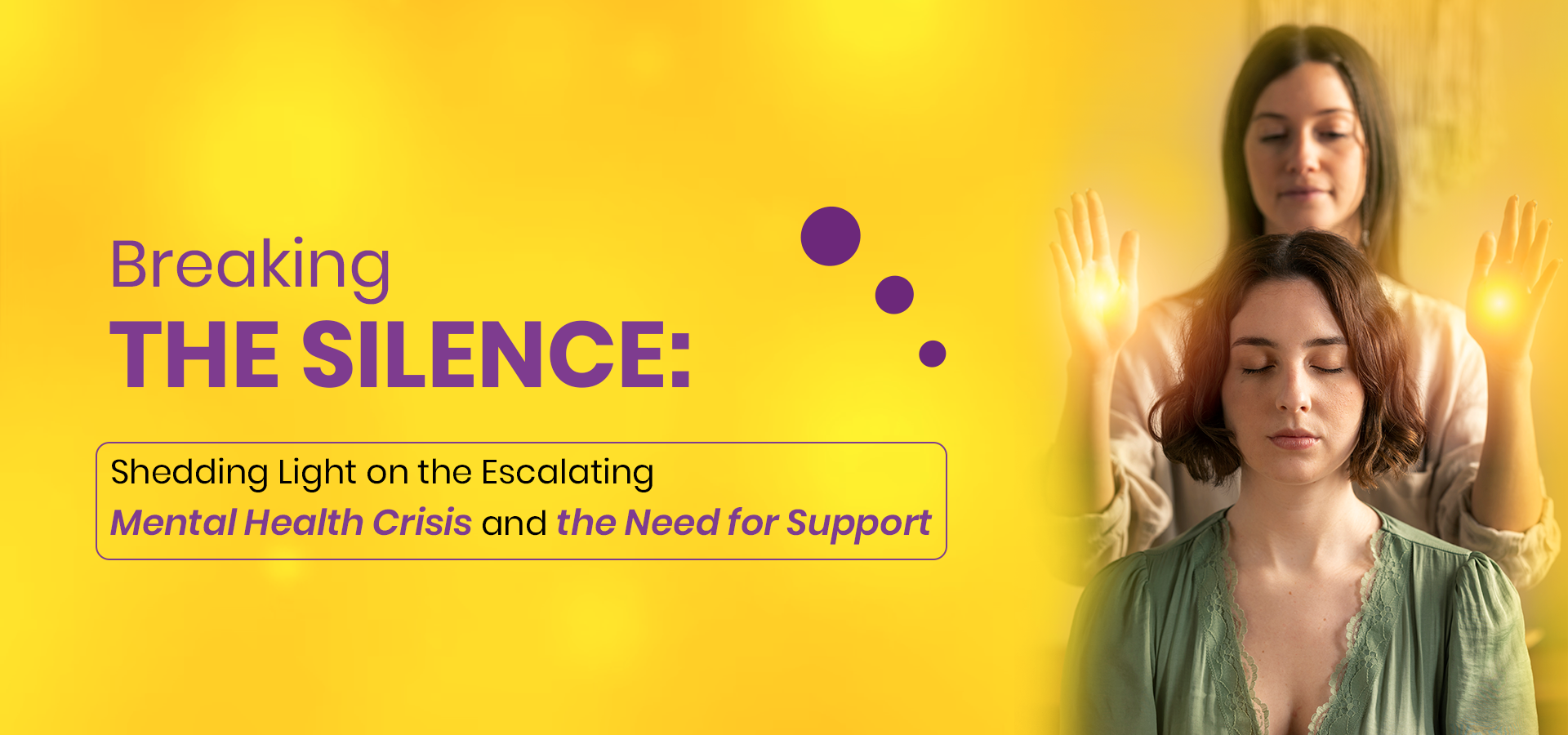
In today's environment, mental health concerns are a rising source of worry. The lack of resources,
fragmented service delivery systems, stigma, and a lack of research capacity for policy reform are all
contributing factors to the current gap in mental health treatment. Moris Media, India's top digital
marketing firm, investigates the causes of this pressing issue's increase and stresses the urgent need
for readily available resources and assistance for those impacted. It is crucial to bring awareness to
this pressing matter.
Mental health problems have a tremendous influence on the world's
population. Mental health issues have an effect on the onset, course, and results of physical
disorders. Mental health awareness needs to be diversified needing continuous investments
to ensure access to high-quality mental health care and effective treatments is available for
all segments of population across the world. Furthermore, there is also the need for
additional research to find new treatments and enhance efficacy of existing ones.
The stigma associated with mental health persists despite
improvements in knowledge. People frequently hold off on asking for assistance out of
concern about criticism, prejudice, or a perceived sense of weakness, which prevents them
from receiving crucial support.
Productivity and mental well-being are tightly
related. The form of depression, anxiety, or burnout, can significantly lower motivation and
productivity while raising stress, both of which can have detrimental effects on an individual
and their relationships. Treatment for mental health conditions and general well-being
promotion frequently result in higher levels of productivity.
Young adults, veterans, members of the LGBTQ+ community, and
those who have been marginalized are among groups who are especially prone to mental health issues. For reasons that can be avoided, marginalized populations regularly have lower mental health than other communities. People from socioeconomic origins and members of racial, gender, and sexual minorities are frequently particularly severely struck by mental health concerns. Their susceptibility is further increased by elements like social exclusion, prejudice, and restricted access to resources.
To effectively manage mental health concerns, early
identification and intervention are essential. Public health experts create interventions that
either target the causes of poor mental health or concentrate on the practices that promote
it. Implementing preventative programs requires identifying risk factors for mental illness,
such as trauma and enduring medical illnesses. Finding risk variables enables early
intervention as well. Increased funding for programs that promote and prevent mental
illness can aid in early symptom detection and help people get the treatment they need
before their disorders get worse.
Cultural stigmas and false assumptions about mental illness may
discourage people from getting help. Different communities have different opinions on
issues related to mental health. Instead of emphasizing mental wellness, mental health
education has typically emphasized information and ideas about mental diseases or
illnesses.
Accessible mental health resources and treatments are urgently needed. To make mental health assistance accessible, inexpensive, and simple to use, governments, healthcare institutions, and communities must collaborate. Public health
professionals may advocate for laws that support mental health and allow those with mental
illnesses to prosper. A public health advocate could fight to lower the rates of homelessness
and incarceration since these conditions disproportionately affect persons with mental
illnesses and worsen them. Advocates for public health fight to alter the structures that
support mental health issues and the cruel treatment of those who suffer from mental
diseases. Access to mental health care has been significantly increased because of telehealth
and internet platforms, especially in rural regions.
The essential need for accessible tools and assistance is highlighted by the growing concerns about
mental health. We can start addressing this problem successfully by putting a high priority on mental
health education, lowering stigma, and enhancing access to treatment. Public health practitioners
require empathy in addition to knowledge of the most effective intervention and preventative
techniques to assist people and communities in fostering their unique strengths, gaining access to
care, and addressing inequities connected to poor mental health. Governments, healthcare
institutions, companies, and communities must work together and invest in comprehensive
strategies that place a priority on mental health.
Liked reading this blog? Spread the word!




The Power of Team Calendar: Boosting Efficiency and Collaboration with moCal
Read More
Mastering Business Time Management with moCal's Online Calendar For Business
Read More
Unlocking Seamless Collaboration with moCal's Online Shared Calendar
Read More
Unlocking the Power of 7-in-1 moCal: Redefining Efficiency in Modern Business
Read More
Elevating Personal Branding: The Moris Digital Doctors Prescription
Read More


If you want the Moris Media Team to help you get more traffic, just book a call.




We hate spam as much as you do