











Hope you enjoy reading this blog post.
If you want the Moris Media Team to help you get more traffic, just book a call.
Wednesday, 24 June 2026

Written by :
Mehak Veru
PR & Business Executive
July 11th, 2023
 984
984
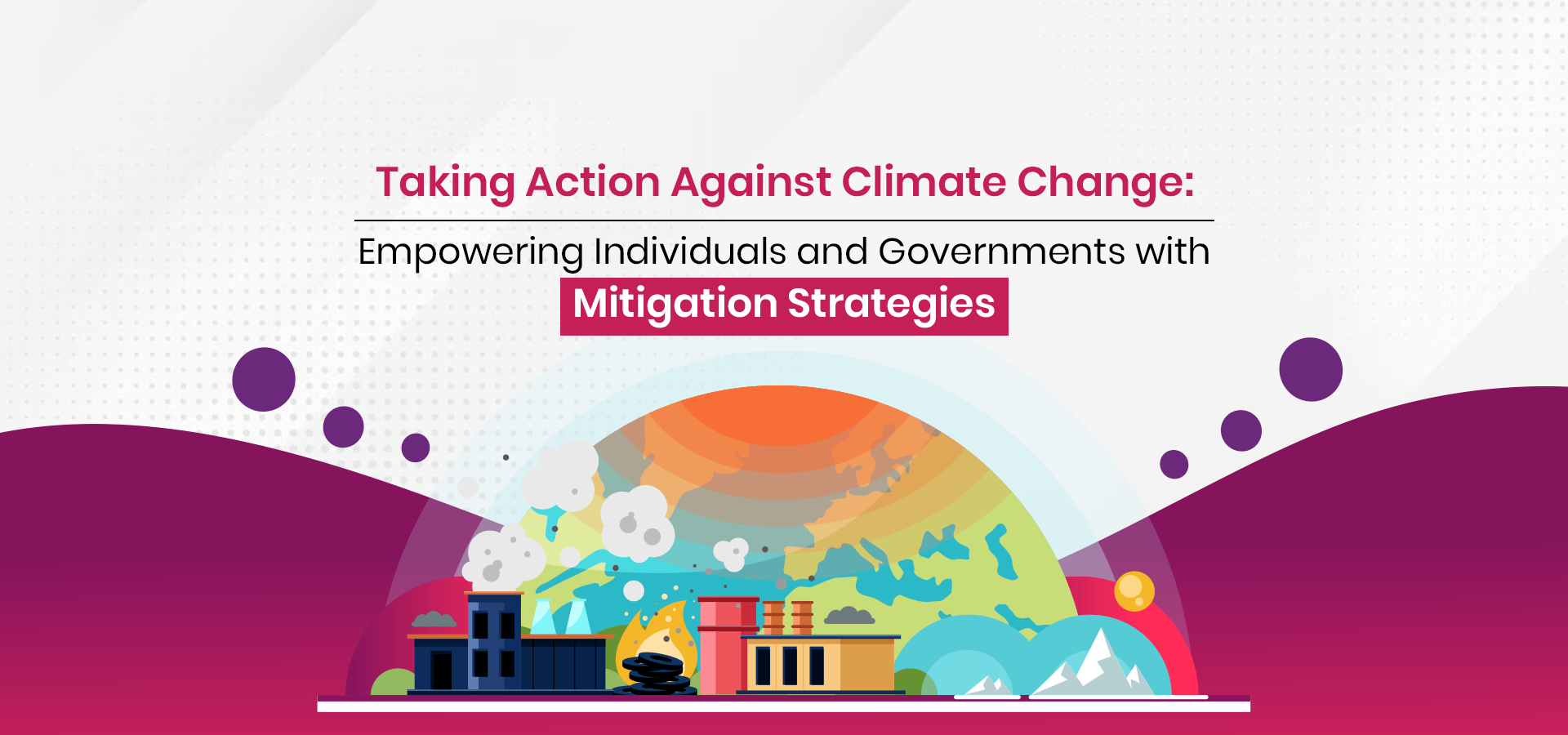
One of the most challenging concerns we face today is climate change. It is a worldwide issue that will persist for thousands of years. However, they vary on the most effective approaches for resolving the problem. Seven strategies for preventing climate change are covered in this resource, along with any advantages or negative effects they could have on society. The top digital marketing company in India, Moris Media, addresses the steps that both citizens and governments may do to cut greenhouse gas emissions.
Adopting environmentally friendly consumption practices helps reduce carbon footprints. the requirement for supportive environments to integrate climate change issues into the national planning and development agenda using reliable data, analysis, and frameworks for policy. The GEF's support of National Communications, Biennial Update Reports, Technology Needs Assessments, Nationally Determined Contributions, and the Capacity-building Initiative for Transparency serve as illustrations of this. This entails cutting back on trash, recycling, and promoting environmentally friendly goods. Aside from reducing emissions from transportation and intensive farming practices, choosing foods that are locally produced, organic, and in season helps the environment.
Individual energy savings can have a big impact on greenhouse gas emissions reduction. Mitigation may reduce emissions by using less energy, becoming more efficient, and moving to sustainable energy sources. You might save a lot of energy by taking simple measures like utilizing energy-efficient appliances, shutting off lights and other devices when not in use, and improving the insulation in your house.
Effective carbon emissions reduction may be achieved by planting trees and encouraging reforestation. Nature must always be respected. Governments must safeguard ecosystems that are essential to the battle against climate change because they absorb enormous amounts of carbon, which slows warming, especially rivers, wetlands, seas, forests, and mangroves. Wetlands absorb extra water from floods, while mangroves act as a barrier against tropical storms, both extreme weather occurrences made worse by climate change. Global warming may be reduced through supporting sustainable land management practices, taking part in local conservation activities, and preserving natural areas.
People may think about adding solar panels to their residences or taking part in community solar activities. Examples of such sources that are continuously replenished are the sun and the wind. Investing in renewable energy sources promotes the transition to a clean energy future and lessens reliance on fossil fuels.
By putting into place appropriate laws and regulations, governments play a critical role in combating global warming. Therefore, local governments are at the forefront of adaptation. Local villages and cities all around the world have been concentrating on finding solutions to their unique climate issues. They are striving to increase water storage and usage, install better-draining pavements to deal with floods and runoff, and construct flood defenses. They are preparing for heat waves and higher temperatures as well. Governments may give infrastructure and R&D for renewable energy sources top attention. Through international accords, nations have collaborated over the past three decades to organize this response. However, due to disagreements between nations on emission reduction targets and enforcing regulations, the success of these accords has varied. With the right long-term planning, nations may avoid utilizing antiquated energy sources that affect the environment. Governments have started developing plans to get ready for climate-related economic shocks to prevent future financial instability. These regulations include requiring banks to declare if climate change may have an impact on their investments and ensuring that all residents have access to fire insurance. This can be accomplished through the use of energy efficiency standards, labeling programs, and financial incentives for energy-saving practices and technologies.
To stop global warming, people and governments must cooperate. Reducing emissions, stopping their impacts, and minimizing their long-term consequences are all steps in the mitigation process. One of the key components of the solution is that wood, oceans, and soil also absorb and store these gases. As opposed to projects intended for adaptation, which often concentrate on the most vulnerable areas, projects to reduce emissions are more financially appealing. However, given that so many people are presently dealing with the severe effects of climate change, it is imperative to give adaptation the weight it deserves. a coordinated effort to migrate through Impact Programmes on Sustainable Cities, Food Systems, Land, and Restoration, and Sustainable Forest Management. To assist cities in making the transition to low-emission and resilient urban development in an integrated way, the Sustainable Cities Impact Programme, for instance, focuses on urban initiatives with great potential to mitigate climate change.
Liked reading this blog? Spread the word!




The Power of Team Calendar: Boosting Efficiency and Collaboration with moCal
Read More
Mastering Business Time Management with moCal's Online Calendar For Business
Read More
Unlocking Seamless Collaboration with moCal's Online Shared Calendar
Read More
Unlocking the Power of 7-in-1 moCal: Redefining Efficiency in Modern Business
Read More
Elevating Personal Branding: The Moris Digital Doctors Prescription
Read More


If you want the Moris Media Team to help you get more traffic, just book a call.




We hate spam as much as you do