










Hope you enjoy reading this blog post.
If you want the Moris Media Team to help you get more traffic, just book a call.
Monday, 27 July 2026

Written by :
Kaushik Chakraborty
SALES AND MARKETING DIRECTOR
April 10th, 2023
 996
996
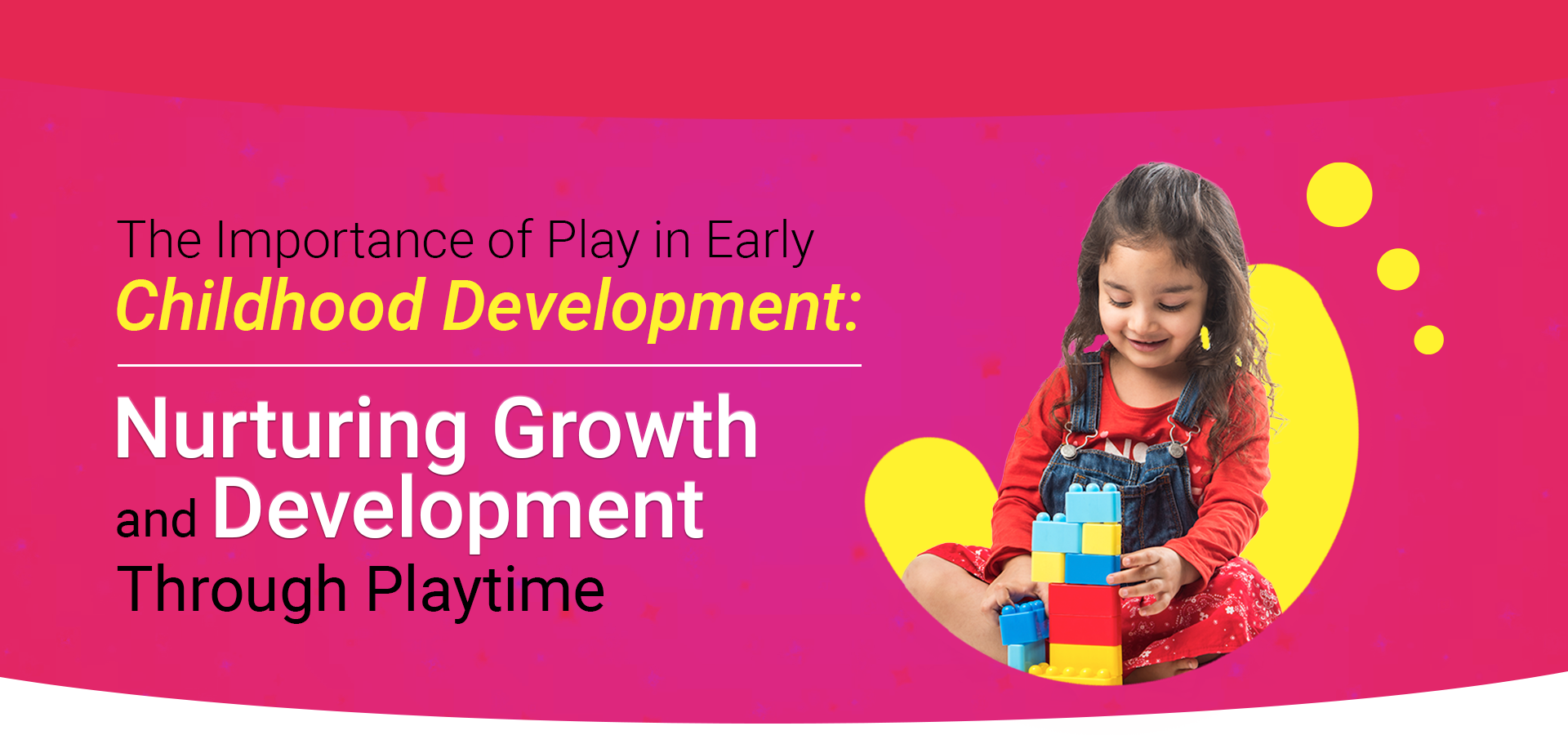
Are you aware of the process that helps children learn better? What role can you play to ensure that they are learning as effectively as possible? Moris Media, the leading digital marketing agency in India, identifies perspectives to ensure how India might better guarantee that its children do not lag behind.
The New Education Policy published by the Indian Government in 2020 was debated upon seriously by a lot of experts. After all, the goal of this policy paper was to create a paradigm change in education policy. However, the government's quest for early childhood care and education was one theme outlined in the strategy paper that did not spark heated controversy.
The paper makes a strong argument to what it has presented, especially for children from low-income families. It illustrates that the schools that are delivering outstanding ECCE have been reaping the most returns particularly for the children coming from economically challenged families. The Indian government has reaffirmed its "commitment to foster inclusive, egalitarian, and contextualized opportunities for promoting optimum development and active learning ability of all children under the age of six" in this 2013 resolution.
The focus on this age period is based on scientific research that suggests that 85 to 90% of a child's cumulative brain development happens before the age of six. Unfortunately, the NEP estimates that more than 5 crore primary school kids in India lack basic reading and numeracy skills. This challenge is especially significant for children from low-income families who have limited access to ECCE.
Previous neuroscience research suggests that 90% of brain growth occurs in the first six years. Yes, the brain develops further, but the number of neural connections formed in the early years is much greater, and after the age of six, it's like an exponentially decreasing graph. The NEP provides up a framework for educators to deliver effective ECCE via preschools or Anganwadi centres to meet this key stage in a child's development. The policy statement also argues for how parents, especially those from low-income families, might become active participants in their children's education.
We discuss some of the fundamental characteristics of early childhood education and how educators should approach it. The youngster should be offered an option. Even three-year olds should be given the option of selecting anything. Important features and concepts of early education, such as giving children with freedom and choice via play, are crucial for them to learn things and acquire cognitive capacities.
To start, everything in terms of 'how' we educate has an experience for children allowing him/her to learn from every such activity. This education needs to be implemented by the child in Play Mode so that it inspires the child to put it into practice.
Traditional systems have neglected the importance of experience and action. They were leaping right into workbooks, hoping that by doing so, the children would be learning better. The new system converts 100% of the classroom time into experiential activities and this ensures a play-based practice approach.
While teaching something new to children, we often overlook the critical question on why the children need to learn the same. Therefore, a practical approach not only makes the children aware about the importance of the activity, Instructors even se materials such as tales, poetry, or dialogues about topics to physically demonstrate the importance.
There is a complexity involved in early childhood learning; you need to look into some of the simplest activities and split them down into several phases of observing the children performing these distinctive cognitive functions. The process takes longer, but youngsters understand what instructors are saying.
A child need play-based education and learning rather than routine learning from books. Parents should also have a larger part in this process. Children from affluent homes not only get decent childcare, but also someone is available to engage with them, or conduct projects with them on a frequent basis. But this does not occur in a family where the parents have not had such experiences, have not attended school, and are not literate enough to read to their kids.
Parents have an important part in their children's growth, whether it's via daily reading, playing, and talking, creating an emotionally secure atmosphere at home, or social development. It may be argued that parents are not educators or home schoolers who will take responsibility of the child's early education in such a situation. At the same time, it has been observed that they do set aside time for hygiene-related duties for the kid in the first six years, such as putting them to sleep and bathing them.
Parents may persuade their children to transform wheat flour into play dough, shell peas, or potatoes just by thinking about the kitchen. That's a lot of motor skills going on right there. Why use blocks when you can use bowls? Stack them and then let them fall. Just put objects in a dish of water and notice what floats and what does not. It is science in action.
An excellent initiative by the government that seeks to change the early education perspectives therefore needs to be accepted with open arms. The need to change not only applies to the education providers for the children; the parents themselves need to come out of their traditional mindsets and accept this new world order.
Liked reading this blog? Spread the word!



The Power of Team Calendar: Boosting Efficiency and Collaboration with moCal
Read More
Mastering Business Time Management with moCal's Online Calendar For Business
Read More
Unlocking Seamless Collaboration with moCal's Online Shared Calendar
Read More
Unlocking the Power of 7-in-1 moCal: Redefining Efficiency in Modern Business
Read More
Elevating Personal Branding: The Moris Digital Doctors Prescription
Read More


If you want the Moris Media Team to help you get more traffic, just book a call.




We hate spam as much as you do