










Hope you enjoy reading this blog post.
If you want the Moris Media Team to help you get more traffic, just book a call.
Thursday, 25 June 2026

Written by :
Mehak Veru
PR & Business Executive
August 3rd, 2023
 995
995
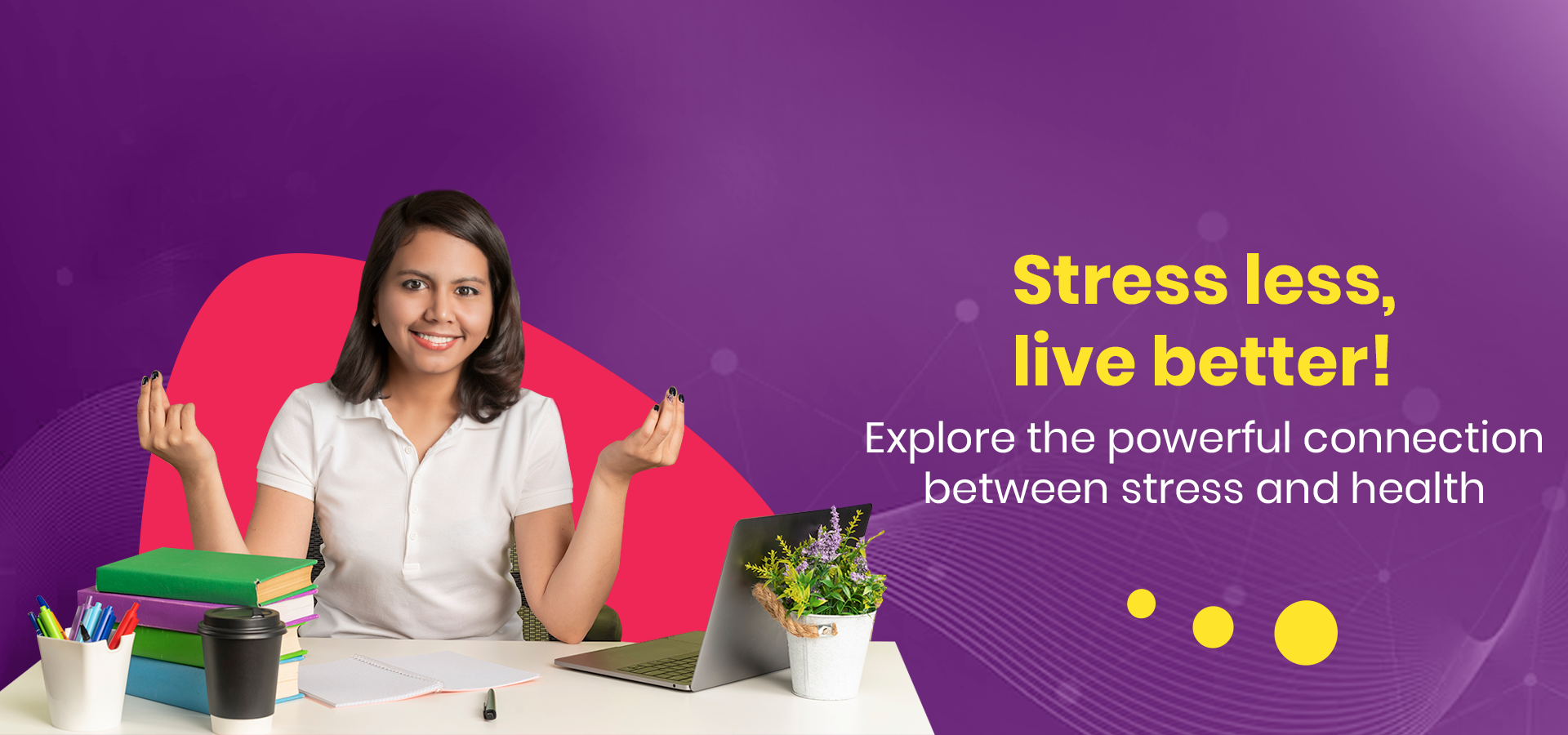
Stress has become an all-too-common companion in our lives as a result of the fast-paced and demanding nature of our environment. Stress may hurt our physical and mental health, regardless of whether it is brought on by job demands, money worries, marital problems, or other personal difficulties. Stress levels might also be influenced by how you feel when problems arise. An issue may not seem all that worrisome if you are in good health and confident in your capacity to handle it. On the other hand, if you already feel pressured or overwhelmed, the same issue could make you feel even more strained and overwhelmed. Moris Media, India’s leading digital marketing agency discovers how adopting effective techniques to reduce stress and improve general well-being requires an understanding of how stress and health are related.
The body's natural reaction to perceived dangers or obstacles is stress. The body releases stress hormones like cortisol and adrenaline when it is in a stressful circumstance. When you believe that the demands of a circumstance or event are too great to handle, stress develops. These hormones set off the "fight or flight" reaction, preparing the body to either face the stressor or flee from it. It can occur in daily settings. Stress can also manifest as a reaction to a particular circumstance or occurrence. Events in your life, both good and bad, can be stressful, especially if they significantly alter your patterns.
While this reaction is beneficial in emergencies, chronic stress, in which the body is repeatedly subjected to stressors without enough time to recuperate, can be harmful to health. Your whole health is in danger if you are under a lot of stress every day. Your emotional balance, as well as your general physical and mental health, suffer from the effects of stress. Your capacity to think clearly, work well, and have fun is reduced. Extended durations of increased stress hormone levels can result in a variety of medical and psychological problems.
Chronic stress can raise the risk of heart disease, stroke, and hypertension (high blood pressure). The heart and blood arteries are put under additional stress due to the ongoing activation of the "fight or flight" reflex. These symptoms are brought on by an increase in stress hormones in your body, which, when released, provide you the ability to handle pressures or dangers. The 'fight or flight' reaction is what is used to describe this. Adrenaline and noradrenaline are hormones that cause your heart rate, perspiration production, and blood pressure to rise. Your body is then ready to respond in an emergency. Long-term stress impairs the immune system, making people more prone to diseases and infections. Irritable bowel syndrome (IBS) and other issues like this might result from the disruption of the digestive system brought on by stress. The blood flow to your skin and the activity of your stomach can both be decreased by hormones.
Another stress hormone, cortisol, increases energy by releasing fat and sugar into your system. You could therefore have nausea, indigestion, headaches, tense muscles, discomfort, and dizziness. Additionally, you could breathe more rapidly, experience palpitations, or experience a variety of aches and symptoms. Over time, you could be increasing your risk of heart attacks and strokes. Stress can cause people to overeat or make poor dietary decisions, which can result in weight gain and obesity.
Depression and anxiety disorders can be triggered by and made worse by chronic stress. The persistent sense of pressure and helplessness can be detrimental to mental health. A serious medical diagnosis is frequently seen as a severe life stressor and is frequently accompanied by high rates of depression. Long-term stress hurts cognitive function and can cause issues with memory, focus, and decision-making. Stress can interfere with sleep cycles, resulting in insomnia and inadequate rest, which worsens mental health problems.
Given the potential adverse effects of stress on health, it is crucial to adopt effective stress management techniques. Here are some strategies that can help improve well-being
Exercise has been shown to lower stress hormone levels and improve endorphin synthesis, which naturally elevates mood. Exercise helps lessen memory loss in those who are under stress.
Deep breathing, mindfulness, and meditation are all techniques that can help you de-stress and quiet your mind. Yoga, massage, and meditation can be beneficial. The pulse rate can be slowed down and relaxation techniques can be used. Another essential component of mindfulness meditation is deep breathing.
To help your body cope with stress, eat a balanced diet, keep caffeine and alcohol intake to a minimum, and get adequate sleep. When under stress, a healthy, balanced diet that includes lots of fruit and vegetables can help the immune system remain strong. A bad diet might result in health problems and more stress.
Consider getting help from a mental health professional if stress starts to interfere with everyday living or becomes overwhelming. A person may be so preoccupied with the issue that is stressing them out that they fail to recognize how their body is reacting. It is crucial to pay attention to any changes.
Even though stress is a necessary component of life, sustaining excellent physical and mental health requires appropriate stress management. By being aware of the connection between stress and health, people may take proactive steps to lessen its damaging effects. One or more of these strategies are pursued in stress management treatment. Self-help books and internet resources may be used by individuals to develop their stress management strategies. They can also enroll in a stress management course as an alternative. An individual with stress might be connected by a counselor or psychotherapist with personal development programs or individual and group therapy sessions. Try some fun, new things that make you feel good if you frequently feel like you don't have the time or energy for hobbies. If someone needs advice, they can ask their network of friends and family. Remember that controlling stress is a vital part of maintaining your mental and physical health, which is a lifetime struggle.
Liked reading this blog? Spread the word!




The Power of Team Calendar: Boosting Efficiency and Collaboration with moCal
Read More
Mastering Business Time Management with moCal's Online Calendar For Business
Read More
Unlocking Seamless Collaboration with moCal's Online Shared Calendar
Read More
Unlocking the Power of 7-in-1 moCal: Redefining Efficiency in Modern Business
Read More
Elevating Personal Branding: The Moris Digital Doctors Prescription
Read More


If you want the Moris Media Team to help you get more traffic, just book a call.




We hate spam as much as you do