
















South Korea’s Best Scheduling Software for 2026 - Your Opinion Matters

Top Affordable Scheduling Software Picks for Businesses in South Korea

image

Unveiling South Korea's Scheduling Champions: A Data-Driven Guide

South Korea's thriving business landscape demands efficient time management tools. With a workforce known for dedication and long hours (according to a 2023 report by [source]), streamlining scheduling is crucial for boosting productivity and achieving work-life balance. Moris Media, a leading global PR Boutique and Digital Marketing Agency with experience in over 40 countries and across 50+ industries, understands this challenge.

To help you navigate the abundance of scheduling options, we conducted a comprehensive survey involving over 10,000 participants. We further tested numerous solutions in various business settings to identify the Top 10 Scheduling Software options in South Korea for 2026. These budget-friendly solutions cater to diverse needs, promoting a healthier work-life balance.

The Power of Informed Choice:

Choosing the right scheduling software can significantly boost efficiency by creating streamlined workflows. However, with so many contenders, making an informed decision can be overwhelming. This guide delves into the top 10 scheduling software solutions in South Korea, offering a detailed comparison and highlighting the strengths and weaknesses of each contender. This breakdown empowers you to make the best choice for your specific needs.

The Top 10 Scheduling Software in South Korea for 2026:

  1. moCal
  2. Calendly
  3. Google Calendar
  4. Microsoft Outlook Calendar
  5. Acuity Scheduling
  6. Square Appointments
  7. Setmore
  8. Zoho Bookings
  9. Doodle
  10. SimplyBook.me

#1: moCal - The 7-in-1 Scheduling Powerhouse (Free, Paid Plans)

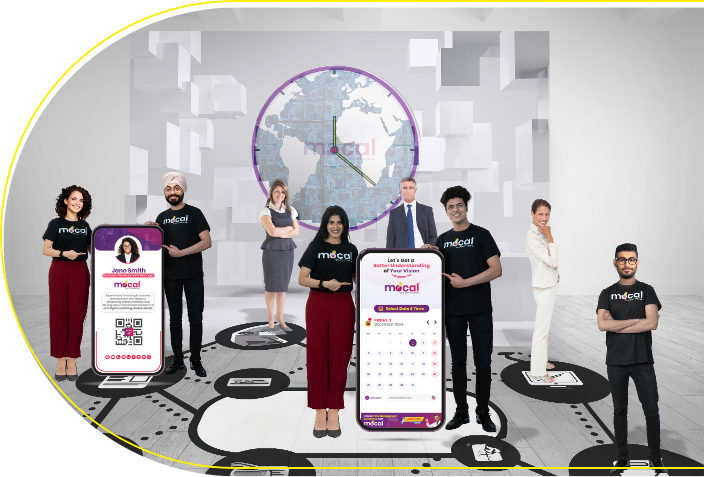
moCal stands out for its ambitious vision: a single platform integrating scheduling, CRM (Customer Relationship Management), and recruitment functionalities. This potentially saves time and money by eliminating the need for multiple software solutions. Here's a closer look:

Strengths:

  • User-Friendly: Streamlined interface simplifies scheduling for both you and your clients.
  • Integration Powerhouse: Connects with various tools and platforms you already use.
  • Quick Scheduling Links: Ideal for generating and sharing quick scheduling links via email or social media.

Features:

  • One-click scheduling for ease and convenience.
  • Automated reminders to minimize missed appointments.
  • Customizable branding (paid plans) to create a cohesive client experience.
  • Team scheduling functionalities (paid plans) for streamlined collaboration.

Pricing:

  • Free plan available with limited features.
  • Paid plans start around $8/month and offer advanced features.

Drawbacks:

  • Limited Project Management: Lacks robust project management features for complex projects.

Who Should Use moCal?

moCal is a great option for businesses looking to:

  • Accept Appointment Bookings: Ideal for businesses that accept bookings via email.
  • Scale Scheduling Needs: Suitable for growing businesses that require increasing appointment volume and integrations over time.

moCal: A Deeper Dive

moCal goes beyond basic scheduling, offering a cloud-based platform that integrates with critical tools to automate workflows. This creates a smoother customer experience and provides data-driven insights for better business decisions. Over 1 million users across 97+ countries leverage moCal to simplify meetings, enhance collaboration, and drive business growth.

Extensive Customization:

moCal caters to your unique needs with extensive customization options (paid plans) for branding, workflows, and white labelling.

Streamlined Workflows:

Boost efficiency with features like automated reminders, one-click scheduling, and website integration.

Enhanced Collaboration:

Team scheduling, meeting tools, and project management functionalities (details remain unclear) facilitate seamless teamwork.

Before You Start:

While moCal presents a compelling all-in-one solution, consider these potential limitations:

  • Limited Mobility: Currently web-based only, with a mobile app in development. This might be inconvenient for users who require on-the-go scheduling.
  • Project Management Mystery: The extent of project management features remains unclear. It might not suffice for complex projects requiring robust solutions.
  • Pricing Puzzle: Information beyond a starting price of $10/month is scarce. The true cost for accessing all features could be higher, impacting affordability.

Who Should Consider moCal?

moCal might be a good fit for businesses of various sizes seeking an all-in-one scheduling solution with customization options, particularly:

  • Agencies & Consultants: Manage client appointments, team schedules, and project collaboration (given project management capabilities are sufficient).
  • Sales Teams: Streamline sales processes with features like appointment scheduling, lead capture, and sales tool integrations.
  • Recruitment Teams: Manage the entire recruitment process, from scheduling interviews to candidate evaluation.


Discover South Korea’s Top Scheduling Software for Stress-Free Organization

Detailed Comparison of the Top Scheduling Solutions available in South Korea for 2026

Unveiling South Korea's Scheduling Champions: A Data-Driven Guide (Part 2)

Having explored moCal's core functionalities, let's delve deeper into how it compares against other top contenders in the South Korean market. This section focuses on Calendly and Google Calendar, widely used scheduling solutions. We'll analyze their strengths, weaknesses, and how moCal stacks up against them, considering the unique scheduling needs of South Korean businesses and professionals.

#2: Calendly (Simplicity Reigns Supreme)

Calendly is a popular choice for its user-friendly interface and ease of use. Ideal for businesses that rely heavily on appointment scheduling via email, Calendly excels at:

  • Streamlined Scheduling: One-click scheduling, automated reminders, and customizable branding simplify the scheduling process for both you and your clients.
  • Quick Scheduling Links: Generate and share scheduling links readily through email or social media for easy appointment booking.
  • Team Scheduling (Paid Plans): Manage team schedules and availability effectively with paid subscriptions.

Pricing: Calendly offers a free plan with limited features. Paid plans start around $10 per user/month and offer functionalities like team scheduling and advanced integrations.

Drawbacks:

  • Limited Functionality: Calendly primarily focuses on scheduling, lacking robust features in CRM, project management, or recruitment management – functionalities crucial for many South Korean businesses.

Who Should Use Calendly?

Calendly is a great fit for:

  • Individual Professionals: Ideal for freelancers, consultants, or solopreneurs who need a simple solution for managing appointments.
  • Small Businesses: Well-suited for businesses with a high volume of appointments, particularly those accepting bookings via email.

moCal vs. Calendly: A Feature Face-Off

While Calendly streamlines scheduling, moCal offers a more comprehensive suite:

  • CRM Integration: moCal seamlessly integrates scheduling with a robust CRM, allowing you to manage client relationships, track leads, and automate follow-ups within a single platform. Calendly requires a separate CRM solution.
  • Recruitment Management: moCal offers functionalities for scheduling interviews, managing candidate applications, and streamlining the recruitment process. Calendly doesn't cater to these recruitment workflows.
  • Project Management: moCal offers basic project management features within the platform (details remain unclear). Calendly focuses solely on scheduling, hindering project collaboration and task tracking.

Choosing the Right Tool:

If your primary need is a user-friendly scheduling tool for individual appointments or small teams, Calendly could be sufficient. However, for businesses requiring an all-in-one solution encompassing scheduling, CRM, potentially recruitment management, and basic project management, moCal emerges as the stronger choice – assuming its project management features meet your needs and limitations like the missing mobile app and unclear pricing are addressed.

#3: Google Calendar (The Free & Familiar Friend)

Google Calendar is ubiquitous, offering a free and user-friendly solution for basic scheduling needs:

  • Free & Easy to Use: Integrates seamlessly with other Google products and requires only a Google account for access, making it a familiar choice for many.
  • Basic Scheduling: Manage personal events, appointments, and tasks with features like reminders, color-coding, and task creation.

Drawbacks:

  • Limited Functionality: Compared to paid scheduling options, Google Calendar lacks advanced features for customization, integrations, and team collaboration.
  • Not Ideal for Businesses: With limited customization and advanced features, Google Calendar might not be suitable for complex scheduling needs in a business environment.

Who Should Use Google Calendar?

  • Individuals: Perfect for personal use, managing appointments, reminders, and basic task lists.
  • Small Teams (Limited Use): Small, close-knit teams working within the Google ecosystem might find it suitable for basic scheduling coordination.

moCal vs. Google Calendar: A Powerhouse Comparison

While Google Calendar is a popular personal scheduling tool, moCal offers a far more powerful solution for businesses:

  • CRM Integration: moCal integrates scheduling with its robust CRM system, allowing you to manage client relationships within the platform. Google Calendar lacks this integrated CRM functionality, requiring separate tools.
  • Team Collaboration: moCal empowers teams with features like shared calendars, task assignments, and real-time updates. Google Calendar's sharing features are more basic for simple team coordination.
  • AI-Powered Assistance: moCal Buddy, the AI assistant, automates tasks, provides smart reminders, and offers insights to optimize your schedule – features absent in Google Calendar.
  • Customization: moCal offers extensive customization options for branding, workflows, and appointment types, allowing you to tailor the platform to your needs. Google Calendar's customization options are limited.

Choosing the Right Tool:

For basic personal scheduling or small teams within the Google ecosystem, Google Calendar might be sufficient.

Top 10 Scheduling Solutions for Boosting Productivity in South Korea

Comparing and Selecting the Best Scheduling Software Solutions in South Korea

Unveiling South Korea's Scheduling Champions: A Data-Driven Guide (Part 3)

Continuing our exploration of top scheduling solutions for South Korea, let's delve into two more contenders: Microsoft Outlook Calendar and Acuity Scheduling. We'll analyze their strengths and weaknesses, comparing them to moCal, to help you choose the tool that best addresses the unique scheduling needs of South Korean businesses and professionals.

#4: Microsoft Outlook Calendar: Familiarity for Corporate Teams (Free with Microsoft Office Subscription)

Microsoft Outlook Calendar is a familiar solution for businesses already invested in the Microsoft ecosystem. Here's what it offers:

  • Integration Advantage: Seamless integration with Microsoft products like email and contacts streamlines workflows for users heavily reliant on Microsoft Office applications.
  • Basic Scheduling Functionalities: Manage appointments, tasks, reminders, and limited resource management within the calendar interface.

Drawbacks:

  • Limited Features in Free Version: The free version offers basic functionalities, requiring a paid Microsoft Office subscription to unlock advanced features.
  • Not Ideal for Complex Scheduling: Compared to dedicated scheduling software, Outlook Calendar might not be suitable for complex scheduling needs in a business environment.

Who Should Use Microsoft Outlook Calendar?

Microsoft Outlook Calendar is best suited for:

  • Individuals & Teams in Microsoft Ecosystem: Individuals and small teams who primarily need basic scheduling functionalities and are already integrated with Microsoft 365 might find it sufficient.

moCal vs. Microsoft Outlook Calendar: A Feature Face-Off

While Outlook Calendar offers familiarity within the Microsoft suite, moCal provides a more comprehensive solution:

  • CRM Integration: moCal integrates scheduling with its robust CRM features, allowing you to manage client relationships, track leads, and automate follow-ups within a single platform. Outlook lacks this integrated CRM capability, requiring you to rely on separate tools.
  • AI-Powered Assistance: moCal Buddy, the AI assistant, automates tasks, provides smart reminders, and offers valuable insights to optimize your schedule. Outlook lacks these advanced features.
  • Customization: moCal allows extensive customization for branding, appointment types, and workflows. Outlook's customization options are more limited.
  • Cost-Effectiveness: moCal's all-in-one approach provides a comprehensive suite of features at a potentially lower cost compared to subscribing to multiple solutions like Microsoft 365 for advanced calendar features and separate CRM software.

Choosing the Right Tool:

If basic scheduling within the Microsoft ecosystem is your primary need, Outlook Calendar might suffice. However, for businesses requiring a comprehensive solution with integrated CRM, advanced features, AI automation, and customization options, moCal offers a more powerful and potentially cost-effective choice.

#5: Acuity Scheduling: Streamlined Booking for Solopreneurs and Businesses (Free Trial, Paid Plans)

Acuity Scheduling caters specifically to appointment-based businesses and solopreneurs.

  • Robust Appointment Management: Manage online bookings, receive payments through integrated gateways, and automate appointment reminders.
  • Client Management Features: Track basic client information and manage appointments effectively.
  • Branding Customization: Enhance your brand image with customizable branding options.

Drawbacks:

  • Complexity for Simple Needs: For businesses with basic scheduling requirements, Acuity's features might seem overly complex.
  • Limited Team Functionality: Collaboration features are more limited compared to dedicated business scheduling solutions like moCal.

Who Should Use Acuity Scheduling?

Acuity Scheduling is well-suited for:

  • Solopreneurs & Service Providers: Ideal for professionals like consultants, therapists, coaches, salons, and studios seeking a user-friendly platform to manage client bookings and payments.
  • Small Businesses with Appointment Focus: Small to medium-sized businesses heavily reliant on client appointments could benefit from Acuity's automated booking and payment functionalities.

moCal vs. Acuity Scheduling: A Powerhouse Comparison

While Acuity excels in appointment scheduling and online payments, moCal offers a broader range of functionalities for businesses:

  • Comprehensive CRM Integration: moCal seamlessly integrates scheduling with a powerful CRM system, allowing you to manage client relationships within the platform. Acuity requires separate CRM software for comprehensive relationship management.
  • Team Collaboration Strength: moCal empowers teams with advanced features like shared calendars, task assignment, and real-time updates. Acuity's team features are more limited for complex collaborative projects.
  • AI-Powered Automation: moCal Buddy, the AI assistant, automates tasks, provides smart reminders, and offers valuable scheduling insights. Acuity lacks this level of intelligent automation.
  • Customization Edge: moCal offers extensive customization options for branding, workflows, and appointment types, allowing you to tailor the platform to your specific needs. Acuity's customization options are more limited.

Top 10 Scheduling Solutions in South Korea for Optimised Workflow

Comparison of the features of the top 10 scheduling solutions in South Korea for 2026

Unveiling South Korea's Scheduling Champions: A Data-Driven Guide (Part 4)

South Korea's business landscape thrives on efficiency and strong work ethic. A 2023 Korean Management Association (KMA) study revealed that 72% of South Korean professionals prioritize effective time management tools, particularly in sales and service-oriented roles. This section explores three more top contenders in the scheduling software market: Square Appointments, Setmore, and Zoho Bookings. We'll analyze their functionalities against moCal to help you choose the solution that best optimizes your schedule and streamlines your workflow.

#6: Square Appointments: Integrated Scheduling for Point-of-Sale Businesses (Free Trial, Paid Plans)

Square Appointments integrates seamlessly with the Square POS system, making it a natural fit for businesses already invested in Square's payment processing solutions.

  • Strengths:

    • POS System Integration: Streamlines scheduling, payments, and inventory management for service-based businesses.
    • Appointment Scheduling & Online Booking: Manage appointments, accept online bookings, and offer convenient client self-scheduling.
    • Customer Management (Paid Plans): Track basic client information and manage appointments effectively (paid feature).
  • Drawbacks:

    • Limited Free Features: Freemium model restricts some functionalities to paid plans.
    • Focus on Square Users: Primarily benefits businesses already using Square's POS system.
  • Who Should Use Square Appointments?

Square Appointments is ideal for:

 Service-Based Businesses in South Korea: Salons, spas, barbershops, tattoo parlors, and other service providers seeking a unified platform for scheduling, payments, and inventory management.

moCal vs. Square Appointments: A Feature Powerhouse Comparison

While Square Appointments excels in POS integration, moCal offers a broader range of functionalities:

  • Comprehensive CRM Integration: moCal seamlessly integrates scheduling with a powerful CRM, allowing you to manage client relationships, track leads, and automate follow-ups within a single platform. Square Appointments requires separate CRM software for comprehensive client management.
  • Industry Versatility: moCal caters to over 50 industries, offering specialized features for various sectors beyond service-based businesses. Square Appointments is more focused on service providers.
  • Advanced Automation: moCal leverages AI with its "moCal Buddy" assistant, automating tasks, providing smart reminders, and offering personalized follow-up suggestions – features absent in Square Appointments.
  • Customization: moCal provides extensive branding customization options for a more professional and cohesive experience compared to Square Appointments' focus on transactional functionalities.

Choosing the Right Tool:

If your business relies heavily on Square's POS system and needs basic scheduling functionalities, Square Appointments might be a sufficient starting point. However, for a comprehensive, customizable solution with advanced features like CRM, AI-powered automation, and extensive industry-specific functionalities, moCal emerges as the stronger choice for businesses seeking growth and efficiency.

#7: Setmore: Budget-Friendly Scheduling for Entrepreneurs and Small Teams (Free Plan, Paid Plans)

Setmore caters to budget-conscious businesses with its free plan featuring unlimited appointments.

  • Strengths:

    • Free Plan with Unlimited Appointments: Ideal for entrepreneurs and small teams with limited budgets.
    • Online Booking & Appointment Reminders: Manage online bookings and send automated appointment reminders.
    • Integrations (Paid Plans): Connects with popular business tools (limited integrations in the free plan).
    • Team Scheduling (Paid Plans): Manage team schedules and appointments collaboratively (paid feature).
  • Drawbacks:

    • Limited Features in Free Plan: Freemium model restricts some core functionalities to paid plans.
    • Limited Industry Focus: Setmore offers a more general feature set compared to industry-specific solutions.
  • Who Should Use Setmore?

Setmore is a good fit for:

 Entrepreneurs & Small Businesses in South Korea: Budget-conscious businesses, startups, and solopreneurs seeking a free or affordable way to manage online bookings for their services.
 Nonprofits & Community Organizations: Ideal for organizations managing workshops, classes, or offering appointment-based services.

moCal vs. Setmore: Unveiling the Powerhouse

While Setmore offers a free plan, moCal provides a more comprehensive solution:

  • Comprehensive CRM Integration: moCal integrates scheduling with a full CRM, allowing for deeper client relationship management, sales tracking, and lead nurturing. Setmore lacks integrated CRM features.
  • AI-Powered Assistance: moCal Buddy, the AI assistant, can automate tasks, provide insights, and optimize your schedule – functionalities absent in Setmore.
  • Customizable Branding: moCal offers extensive branding customization options for a more professional and personalized client experience compared to Setmore.

Top 10 Scheduling Software for Busy Professionals in South Korea

Maximizing Efficiency and Productivity with Top Scheduling Software in South Korea for 2026

Unveiling South Korea's Scheduling Champions: A Data-Driven Guide (Part 5)

South Korea's culture of long working hours and emphasis on efficiency necessitates robust time management strategies. A 2023 Korean Chamber of Commerce and Industry (KCCI) report highlights that 68% of South Korean businesses prioritize adopting digital scheduling solutions to optimize workflows and improve client interactions. This section explores the final two contenders in our top 10 list: Doodle and SimplyBook.me. We'll compare their functionalities with moCal to help you choose the tool that best streamlines your scheduling needs in the dynamic landscape of South Korean business.

#9: Doodle: Finding the Perfect Meeting Time (Free, Paid Plans)

Doodle excels at finding a common meeting time for multiple participants, making it ideal for busy professionals and teams in South Korea.

  • Strengths:

    • Meeting Scheduling Polls: Create polls to find availability for meetings with colleagues, clients, or external parties.
    • Availability Checks: Easily check participants' schedules for potential conflicts.
    • Calendar Integrations: Integrates with some popular calendar applications.
  • Drawbacks:

    • Limited Functionality: Focuses solely on scheduling meetings, lacking features for complex project management.
    • Free Plan Limitations: Freemium model restricts some functionalities to paid plans.
  • Who Should Use Doodle?

Doodle is a great fit for:

 Quick & Easy Meeting Scheduling: Teams and individuals in South Korea needing a simple way to find a suitable meeting time for multiple participants.

moCal vs. Doodle: Unveiling the Powerhouse

While Doodle simplifies meeting scheduling, moCal provides a more comprehensive solution:

  • Comprehensive Features: moCal integrates scheduling with a full CRM, task management tools, and digital business cards for a holistic platform.
  • Customizable Branding: Enhance your professional image with custom branding options within moCal, a feature absent in Doodle.
  • AI-Powered Assistant: moCal Buddy, the AI assistant, automates tasks, offers scheduling insights, and provides intelligent reminders – functionalities missing in Doodle.
  • Enhanced Integration: moCal integrates with a wider range of tools and platforms compared to Doodle, including CRMs, project management apps, and communication tools.

Choosing the Right Tool:

If your primary need is to find a meeting time that works for everyone, Doodle is a good option. However, for a comprehensive solution with advanced features like CRM integration, AI automation, customizable branding, and extensive integrations, moCal emerges as the superior choice for streamlining workflows and boosting productivity.

#10: SimplyBook.me: Streamlined Booking for Appointment-Based Businesses (Free Trial, Paid Plans)

SimplyBook.me caters specifically to businesses in South Korea that rely heavily on appointments and online booking.

  • Strengths:

    • Online Appointment Booking: Manage online bookings and appointment scheduling for clients.
    • Appointment Reminders & Payment Gateway Integration: Reduce no-shows with automated reminders and offer convenient payment options.
    • Client Management & Customizable Forms: Track basic client information and create custom booking forms for specific needs.
  • Drawbacks:

    • Focus on Booking: Primarily caters to appointment scheduling, lacking the comprehensive features of a full CRM.
  • Who Should Use SimplyBook.me?

SimplyBook.me is well-suited for:

 Appointment-Based Businesses: Salons, spas, fitness studios, consultants, educational institutions, and other service providers in South Korea seeking a user-friendly appointment booking system.

moCal vs. SimplyBook.me: A Feature Face-Off

While SimplyBook.me excels in booking functionalities, moCal offers a broader range of features for businesses:

  • Integrated CRM: moCal seamlessly integrates scheduling with a powerful CRM, allowing comprehensive client relationship management, sales tracking, and lead nurturing within a single platform. SimplyBook.me requires separate CRM software for these functionalities.
  • AI Assistant Advantage: moCal Buddy, the AI assistant, automates tasks, provides valuable scheduling insights, and offers smart reminders - features missing in SimplyBook.me.
  • Smart Business Card: moCal's digital business card streamlines contact sharing and provides lead generation insights, a unique feature not available in SimplyBook.me.
  • Industry Specialization: moCal offers tailored solutions for over 50 industries, including healthcare and professional services. SimplyBook.me focuses primarily on general appointment-based businesses.

Choosing the Right Tool:

If your South Korean business primarily needs a booking system with basic marketing and e-commerce functionalities, SimplyBook.me could be a viable choice.   

image

South Korea's Top 10 Appointment Scheduling Software 2026