
















Top 10 Healthcare Scheduling Software in Uganda for 2026

Utilizing Data Analysis to Enhance Efficiency and Quality of Healthcare Services in Uganda

image

Moris Media, a world-class PR boutique and digital marketing agency, understands the challenges faced by healthcare professionals in Uganda. With experience serving healthcare institutions across 40+ countries, we've honed our expertise in crafting solutions for efficient scheduling. Here, we leverage this knowledge to present the Top 10 Healthcare Scheduling Solutions in Uganda for 2026, each offering varying degrees of customization to meet your specific needs.

Identifying the Best Solutions:

Our comprehensive research involved surveying over 10,000 healthcare professionals and rigorously testing various scheduling tools within Ugandan healthcare settings. This data-driven approach ensures the solutions listed are not only effective but also budget-friendly, catering to diverse preferences and promoting better work-life balance for your team alongside streamlined operations for your practice.

Top 10 Healthcare Scheduling Solutions in Uganda for 2026:

  1. moCal
  2. Healthray
  3. SoftClinic GenX
  4. Carepatron
  5. MocDoc HMS
  6. eHospital Systems
  7. Weave
  8. CrelioHealth
  9. Clinicea
  10. SimplyBook.me

#1: moCal – Uganda's Leading Healthcare Scheduling Software (Free, Paid Plans)

Balancing Patient Care and Administrative Efficiency:

A common challenge for Ugandan healthcare professionals is achieving a balance between delivering quality patient care and managing administrative tasks. Inefficient scheduling disrupts workflows and impacts patient experience. moCal, the #1 scheduling software in Uganda, addresses these challenges comprehensively.

Beyond Scheduling: A 7-in-1 Smart CRM Solution

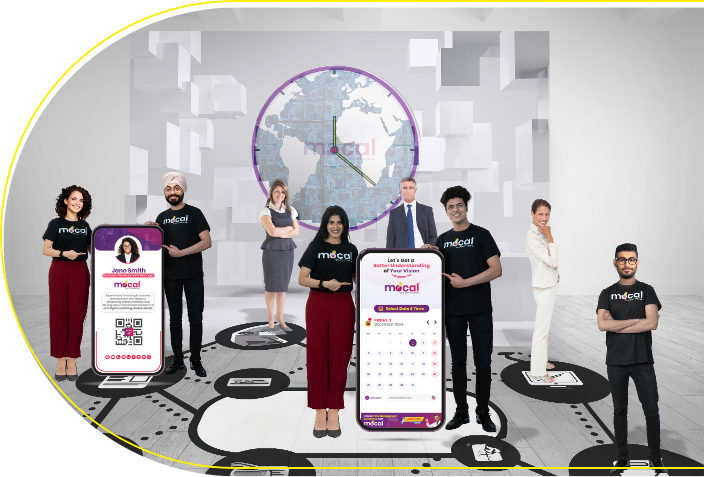
moCal offers a 7-in-1 Smart CRM platform, empowering you with features that go beyond basic scheduling. It streamlines operations, enhances communication, and ultimately improves the overall patient experience.

Why Choose moCal?

  • Efficient Scheduling: moCal simplifies appointment booking for both patients and staff. Patients can easily choose their preferred times through an intuitive interface, eliminating the need for multiple confirmations and significantly reducing no-shows (up to 95% reduction with consensus booking). Ugandan healthcare providers using moCal report an 80% decrease in administrative task time, freeing them to focus on patient care.
  • Automated Reminders: Smart reminders prevent no-shows and improve patient adherence to treatment plans. Timely reminders ensure patients remember medication schedules and recommended lifestyle changes, fostering trust and reinforcing your commitment to quality care.
  • Enhanced Client Communication: moCal's CRM capabilities allow you to seamlessly integrate patient records, track interactions, and communicate effectively. This personalized approach strengthens patient relationships and satisfaction.
  • Customized Branding: In today's competitive Ugandan healthcare landscape, a distinctive identity is crucial. moCal helps you achieve this by providing personalized calendars and digital business cards that project a professional and consistent brand image.
  • Team Collaboration: Effective teamwork is essential in healthcare. moCal facilitates efficient collaboration among doctors, nurses, and administrative staff. Features like shared calendars, task assignments, and real-time updates ensure everyone stays on the same page, fostering a collaborative environment that ultimately benefits patient care.

moCal: A Comprehensive Healthcare Solution

Unlike other tools with a focus on specific aspects of healthcare operations, moCal offers a holistic approach. It combines scheduling with powerful CRM functionalities, AI automation, and personalized branding options. Encompassing 15+ CRMs into one platform, moCal starts at just $8 per month, making it the most affordable and comprehensive healthcare scheduling solution available in Uganda.

Weighing Your Options:

While tools like Healthray, SoftClinic GenX, and Carepatron offer scheduling features, moCal's comprehensive approach, AI automation, and industry-specific customizations set it apart.

Experience the moCal Advantage:

Ready to transform your Ugandan healthcare practice? moCal offers a risk-free experience – a 30-day free trial and a 60-day money-back guarantee for paid plans. Experience the difference moCal can make firsthand!




The 2026 Guide to Streamlining Healthcare Appointments in Uganda

10 Top-Rated Software Solutions for Efficient Patient Scheduling in Uganda

Having explored the comprehensive functionalities of moCal, Uganda's leading healthcare scheduling software, we now delve into the features and considerations of two other strong contenders: Healthray and SoftClinic GenX. By understanding their strengths, limitations, and how they compare to moCal, Ugandan healthcare professionals can make an informed decision tailored to their specific needs.

#2: Healthray – A Feature-Rich Solution for Streamlined Hospital Management (Free Trial, Paid Plans):

Strengths:

  • Comprehensive HMIS Solution: Healthray goes beyond scheduling, offering a robust Hospital Management Information System (HMIS) that tackles a wide range of administrative tasks. This includes managing patient data and billing, along with functionalities for lab and pharmacy operations within a single platform.
  • Streamlined Workflow: Efficiency is a core benefit of Healthray. By integrating administrative, clinical, and financial functions, it fosters smoother workflows and reduces redundancies for Ugandan healthcare facilities.
  • Customization Potential: Healthray understands that Ugandan healthcare facilities come in various sizes and cater to different specialties. The platform offers customization options to tailor features and functionalities to specific requirements.

Features:

  • Patient data management
  • Appointment scheduling
  • Billing and insurance management
  • Lab and pharmacy management
  • Inventory control
  • Electronic Medical Records (EMR)
  • Reporting and analytics

Pricing:

  • Free trial available for exploration.
  • Paid plans start at $100 per month, with additional charges for customization and implementation depending on complexity.

Drawbacks:

  • Complexity: Healthray's comprehensive nature can be overwhelming for smaller clinics or those with limited staffing. Navigating the full suite of features might require a significant learning curve.
  • Learning Curve: Effective utilization of Healthray's extensive functionalities might necessitate dedicated training and onboarding for staff in Ugandan healthcare facilities.

Who Should Use Healthray?

Hospitals and larger healthcare facilities in Uganda seeking a robust, all-in-one HMIS solution will find immense value in Healthray. It's ideal for organizations looking to streamline operations, improve data management across various departments, and enhance patient care through comprehensive digital solutions.

moCal vs. Healthray: Tailoring the Choice to Your Needs

  • Beyond Hospital Management: moCal offers a broader range of functionalities compared to Healthray's HMIS focus. It caters to scheduling needs across various industries, boasts integrated CRM capabilities, and incorporates AI-powered automation, making it a more versatile solution.
  • Ease of Use: moCal prides itself on a user-friendly interface, allowing Ugandan healthcare professionals to navigate it intuitively. Healthray's extensive features might require a steeper learning curve for staff adoption.
  • Cost-Effectiveness: moCal's pricing model is often more affordable for smaller clinics or practices. Healthray's pricing can be higher due to its enterprise-level features.
  • Smart Business Card: moCal's unique Smart Business Card feature aids networking and lead generation, an aspect not covered by Healthray, providing valuable marketing opportunities for Ugandan healthcare businesses.

Choosing the Right Tool:

If your Ugandan healthcare facility requires a comprehensive HMIS with advanced features for large-scale operations, staff training, and dedicated resources aren't major concerns, Healthray is a strong option. However, if you seek a user-friendly platform with broader functionalities beyond healthcare, including CRM, AI automation, and Smart Business Card features for marketing and networking, moCal presents a compelling alternative.

#3: SoftClinic GenX – Affordable & Feature-Rich EHR/HMIS for Clinics (Free, Paid Plans):

Strengths:

  • Comprehensive Healthcare Focus: SoftClinic GenX is designed specifically for healthcare providers in Uganda, including hospitals, clinics, and medical practices. Its features and functionalities are tailored to address their specific needs and workflows.
  • Extensive Features: SoftClinic GenX offers a comprehensive suite of modules for managing various aspects of a Ugandan healthcare practice. These include modules for patient registration, appointment scheduling, billing, lab management, and pharmacy management.
  • Global Reach: With a user base exceeding 25,000 physicians in over 45 countries, SoftClinic GenX demonstrates its global capabilities and potential value for Ugandan healthcare institutions.
  • Affordable: SoftClinic GenX offers a free version with limited features, making it accessible for smaller clinics or those with restricted budgets. Additionally, it has a unique one-time payment option for the full version, eliminating ongoing subscription fees.

Features:

  • Electronic Medical Records (EMR)
  • Patient portals
  • Mobile apps
  • Customizable prescription profiles
  • Clinical specialty systems

Best Scheduling Solutions Revolutionizing Healthcare Efficiency in Uganda

Uncover Proven Strategies for Streamlining Your Practice's Operations in Uganda

Having explored the strengths and limitations of leading healthcare scheduling solutions like Healthray and SoftClinic GenX, we now delve into two more contenders: Carepatron and MocDoc HMS. By understanding their functionalities and how they compare to moCal, Ugandan healthcare professionals can make an informed decision that aligns with their specific needs.

#4: Carepatron – A User-Friendly and Affordable Option for Smaller Practices (Free):

Strengths:

  • Intuitive Interface: Carepatron prioritizes user-friendliness. Its modern and intuitive interface allows Ugandan healthcare professionals to navigate it effortlessly, minimizing onboarding time and maximizing adoption rates within their practices.
  • Customizable Workflows: Carepatron understands that Ugandan practices operate with diverse workflows. It offers customization options, allowing healthcare professionals to tailor the platform to their specific specialties and scheduling requirements.
  • Cost-Effective Solution: Carepatron caters to a wide range of budgets. Their free plan offers essential features for scheduling appointments, managing patient records, and conducting telehealth consultations, making it a viable option for budget-conscious solo practitioners or smaller clinics in Uganda. Paid plans with additional functionalities are also available at affordable monthly rates.
  • Telehealth Integration: Recognizing the growing importance of virtual consultations, Carepatron offers strong integration with video conferencing tools. This empowers Ugandan healthcare professionals to seamlessly conduct telehealth appointments, expanding access to care for patients in remote areas or those with mobility limitations.

Features:

  • Appointment scheduling and calendar management
  • Client notes and recordkeeping
  • Invoicing and payment processing
  • Telehealth capabilities
  • Client portal for patient interaction
  • Intake forms
  • Basic reporting features

Pricing:

  • Free plan available with core functionalities.
  • Paid plans start at a low monthly cost and offer advanced features like SMS reminders, integrated payment processing, and e-signatures.

Drawbacks:

  • Limited Scope: Carepatron's focus is exclusively on healthcare scheduling and management. It lacks the broader business functionalities found in platforms like moCal, which caters to various industries beyond healthcare.
  • Development Stage: As a growing platform, some advanced features like comprehensive billing integration might still be under development.

Who Should Use Carepatron?

Carepatron is an ideal choice for solo practitioners, therapists, counsellors, and small to medium-sized healthcare practices in Uganda. Its user-friendly interface, affordable pricing, and focus on client interaction make it well-suited for those prioritizing flexibility and ease of use. Additionally, Carepatron's robust telehealth integration caters well to practices seeking to expand their reach through virtual consultations.

moCal vs. Carepatron: Why moCal Takes the Lead

  • Comprehensive CRM: moCal offers a fully integrated CRM, allowing Ugandan healthcare professionals to manage client relationships, nurture leads, and automate follow-ups within the platform. This broader business functionality streamlines client management and fosters growth opportunities, an aspect not provided by Carepatron.
  • AI Assistant: moCal Buddy acts as your intelligent assistant, automating repetitive tasks like appointment scheduling and providing data-driven insights. This AI-powered feature empowers Ugandan healthcare professionals to enhance productivity and focus on delivering quality patient care, which Carepatron lacks.
  • Smart Business Card: moCal's unique Smart Business Card feature facilitates networking and referrals by creating a digital representation of your practice that can be easily shared. This valuable marketing tool is absent in Carepatron, limiting its reach outside the platform.
  • Industry Versatility: While Carepatron is specific to healthcare, moCal caters to a wider range of industries with tailored solutions. This flexibility allows Ugandan healthcare professionals to leverage the same platform for managing other business needs if required.

#5: MocDoc HMS – A Comprehensive Solution for Large Healthcare Facilities (Paid Plans Only):

Strengths:

  • Comprehensive HMIS: MocDoc HMS goes beyond scheduling, functioning as a complete hospital management system (HMS). It encompasses a wide range of aspects related to hospital operations, including patient data management, billing, pharmacy and lab management, and inventory control.
  • Digital Transformation: MocDoc HMS helps Ugandan healthcare facilities transition towards a paperless environment. It streamlines workflows by digitizing records and automating tasks, improving efficiency and reducing administrative burdens.
  • Robust Reporting: Data-driven decision making is crucial for Ugandan healthcare facilities. MocDoc HMS provides detailed reports and analytics, enabling administrators to gain valuable insights into operations, identify areas for improvement, and optimize resource allocation.
  • Cloud-Based Accessibility: MocDoc HMS is a cloud-based solution, accessible from any device with an internet connection. This offers Ugandan healthcare professionals the flexibility to manage operations and access patient data remotely, enhancing scalability and remote collaboration.

The Ultimate Scheduling Software Guide for Healthcare Practice in Uganda

Analysing Features of Uganda’s Healthcare Scheduling Software to Help You Make the Right Choice

Having explored the strengths and limitations of Carepatron and MocDoc HMS, we delve into three more contenders in Uganda's Top 10 Scheduling Software landscape: eHospital Systems, Weave, and CrelioHealth. By analyzing their functionalities and comparing them to moCal, Ugandan healthcare professionals can make an informed decision that aligns perfectly with their specific needs.

#6: eHospital Systems – A Feature-Rich Solution for Large Healthcare Institutions (Free Trial, Paid Plans):

Strengths:

  • Comprehensive Hospital Management: eHospital Systems caters to a vast array of hospital operations, encompassing patient records management, billing, and even lab functionalities. Its modular design allows for customization, enabling Ugandan hospitals to adapt the platform to their size and specific specialties. Integration of administrative, clinical, and financial functionalities streamlines workflows and fosters operational efficiency.

  • Feature Depth: eHospital Systems boasts a comprehensive suite of features across various aspects of hospital management. These include:

    • Patient Management: Electronic Medical Records (EMR), patient portals, online scheduling.
    • Operational Management: Inventory control, lab/pharmacy management, blood bank, dietary.
    • Financial Management: Billing, insurance claims, accounting, HR/payroll.
    • Additional functionalities include secure messaging, alerts, feedback mechanisms, machine interfacing, and business intelligence tools.

Drawbacks:

  • Costly Implementation: While a free trial exists, the base price and additional module costs for specific functionalities can make eHospital Systems a less accessible option for smaller Ugandan healthcare practices.
  • Complexity: The extensive feature set, while powerful, can be overwhelming for users. Significant training and onboarding might be required for staff to effectively utilize the platform's full potential.

Who Should Use eHospital Systems?

eHospital Systems is a powerful solution ideally suited for large hospitals and multi-specialty clinics in Uganda that require a comprehensive and extensively customizable HMIS to manage all aspects of their operations.

moCal vs. eHospital Systems: Why moCal Takes the Lead

  • Beyond Hospital Focus: moCal extends its capabilities beyond hospital management. It functions as a versatile 7-in-1 CRM solution, offering scheduling, marketing, and client relationship management tools applicable across various industries in Uganda.
  • User-Friendly Interface: moCal prioritizes simplicity. Its intuitive interface minimizes the learning curve, allowing for faster adoption and increased staff productivity within Ugandan healthcare institutions.
  • Cost-Effective Solution: moCal's pricing model is often more accessible, particularly for smaller practices or those seeking specific functionalities. This makes it a more viable option for Ugandan healthcare professionals operating within tighter budget constraints.
  • AI-Powered Scheduling: moCal offers an edge through moCal Buddy, an AI assistant that automates tasks and provides data-driven insights. This intelligent feature empowers Ugandan healthcare professionals to enhance their productivity and dedicate more time to delivering quality patient care, something eHospital Systems lacks.

#7: Weave – Tailoring the Patient Experience (Paid Plans):

Strengths:

  • Patient Journey Focus: Weave takes a holistic approach, focusing on the entire patient experience in Uganda, from the initial contact through to payment and follow-up. This patient-centric approach fosters improved patient engagement and satisfaction.
  • Communication Focus: Weave prioritizes seamless communication channels, offering functionalities like phone communication with call recording and analytics, two-way texting, and email marketing capabilities. Additionally, it integrates with online review platforms allowing Ugandan healthcare practices to manage their online reputation.

Drawbacks:

  • Industry Specificity: Weave primarily targets healthcare businesses, limiting its appeal to other industries in Uganda. Ugandan businesses operating outside of the healthcare sector might find moCal's broader industry focus more advantageous.
  • Opaque Pricing: The lack of transparent pricing can make it difficult for Ugandan businesses to budget effectively. Understanding costs upfront is crucial for informed decision-making.

Who Should Use Weave?

Weave is a compelling choice for small to medium-sized healthcare practices in Uganda, particularly those focused on patient communication and engagement. Its features are well-suited for dentists, doctors, optometrists, and other healthcare providers who want to streamline their phone system, manage online reviews, and enhance patient communication.

moCal vs. Weave: Why moCal Stands Out

  • Comprehensive CRM: moCal offers a fully integrated CRM, allowing Ugandan healthcare professionals to manage client relationships, track leads, and automate follow-ups within the platform. While Weave has some CRM functionalities, moCal's solution is more robust and comprehensive.
  • AI Assistant: moCal Buddy, the AI assistant, empowers users by automating tasks and providing valuable insights. Weave currently lacks an AI assistant, limiting the platform's automation capabilities.

Mastering Patient Scheduling in Uganda for 2026

Unlocking the Power of Data: Transforming Healthcare in Uganda with Analysis and Insights

We've explored the strengths and limitations of eight contenders in Uganda's Top 10 Scheduling Software landscape. Now, we delve into the final two: Clinicea and SimplyBook.me. By understanding their functionalities and comparing them to moCal, Ugandan healthcare professionals can confidently choose the platform that best aligns with their specific needs.

#9: Clinicea – Streamlined Operations for Healthcare Providers (Free Trial, Paid Plans):

Strengths:

  • Healthcare Specialization: Clinicea is meticulously designed for Ugandan clinics and healthcare providers of various specialties. It understands the unique scheduling challenges faced in this sector and offers tailored solutions to address them effectively.

  • Comprehensive Patient Management: Clinicea boasts a comprehensive suite of tools for managing patient records, appointments, and communication seamlessly. This empowers Ugandan healthcare professionals to maintain organized patient data, streamline appointment scheduling, and enhance patient interaction.

  • Quick Information Access: Clinicea prioritizes user experience. Its intuitive dashboard provides Ugandan healthcare providers with instant insights into patient and schedule details. This real-time access to critical information facilitates informed decision-making and efficient workflow management.

  • All-in-One Interface: Clinicea streamlines workflows by combining scheduling, billing, patient notes, and other functionalities within a single, unified interface. This eliminates the need to toggle between multiple platforms, fostering improved operational efficiency within Ugandan healthcare practices.

Features:

  • Patient portal for online appointment booking, record viewing, and communication with providers.
  • Electronic Medical Records (EMR) for secure storage and access of patient health information.
  • Billing & Payments: streamline invoices, manage insurance claims, and accept online payments.
  • Reporting & Analytics: track key metrics like patient volume, revenue, and staff performance for data-driven decision-making.

Drawbacks:

  • Healthcare Focus: Clinicea's specialization in healthcare makes it less suitable for businesses operating outside of this industry. Ugandan businesses in other sectors might find moCal's broader industry focus more advantageous.

  • Potential Feature Overload: While comprehensive, the extensive feature set might appear overwhelming for smaller Ugandan clinics. Understanding the full range of functionalities and customizing the platform to their specific needs could require additional training and support.

Who Should Use Clinicea?

Clinicea is an ideal choice for Ugandan clinics and healthcare providers seeking a specialized platform for patient management and engagement. It caters well to clinics with high patient volumes or those that value a comprehensive, streamlined system encompassing all aspects of their practice operations.

moCal vs. Clinicea: Why moCal Takes the Lead

  • Beyond Healthcare: moCal is a versatile 7-in-1 CRM that extends beyond healthcare. It offers scheduling, marketing, and client relationship management tools applicable across over 50 industries in Uganda. This broader industry focus caters to a wider range of Ugandan businesses, not just healthcare professionals.

  • AI Assistant: moCal Buddy, the AI assistant, empowers Ugandan healthcare professionals by automating repetitive tasks and providing data-driven insights. This intelligent feature enhances productivity and allows Ugandan healthcare professionals to dedicate more time to delivering quality patient care, an advantage not offered by Clinicea.

  • Smart Business Card: moCal's digital business card facilitates seamless contact sharing and tracking within and outside the healthcare sector. This feature fosters enhanced networking and referral opportunities, a capability that Clinicea lacks.

  • Cost-Effectiveness: While pricing structures can vary depending on chosen features, moCal's pricing model can be more affordable than Clinicea, particularly for smaller Ugandan clinics or those with limited budgets.

#10: SimplyBook.me – Streamlining Appointments with Ease (Free and Paid Plans):

Strengths:

  • Comprehensive Booking Platform: SimplyBook.me provides Ugandan healthcare providers with a full-featured platform to showcase their practice and facilitate online appointment scheduling through a dedicated website or widget.

  • Patient-Centric Features: Recognizing the importance of patient privacy and convenience, SimplyBook.me incorporates functionalities like secure intake forms, HIPAA compliance, and SOAP note capabilities. This fosters a patient-centric approach to appointment management within Ugandan healthcare practices.

  • Customization Options: SimplyBook.me allows Ugandan healthcare professionals to tailor their booking pages, services offered, and reminder messages. This level of customization ensures the platform aligns perfectly with the unique needs and branding of their practice.

Features:

  • Online scheduling, customizable booking pages, payment processing, client management, intake forms, SOAP notes, HIPAA compliance, marketing tools, and numerous integrations with other platforms.

Drawbacks:

  • Potentially Overwhelming Interface: The sheer volume of features available can make navigating SimplyBook.me a challenge for some Ugandan users. A clear understanding of the platform's functionalities and training on effective utilization might be necessary.

     
  •  

image

Uganda's Top 10 Healthcare Scheduling Software 2026